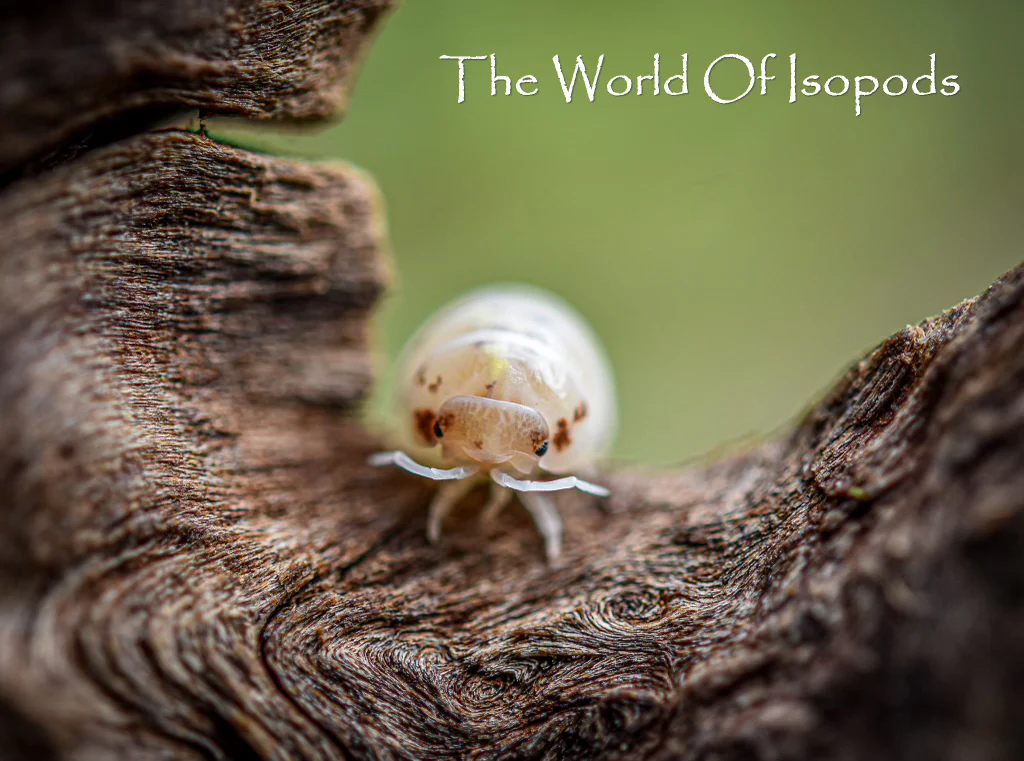
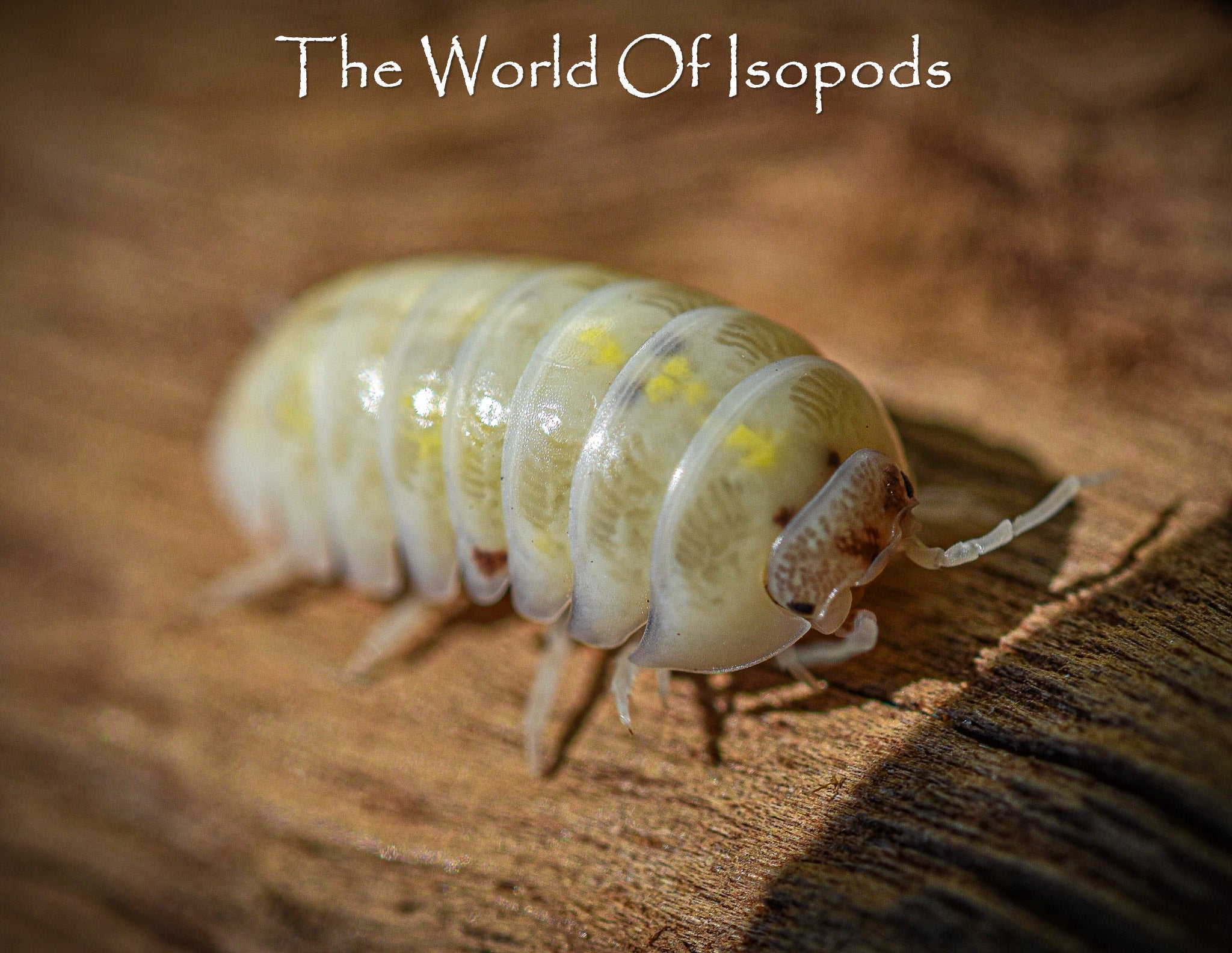
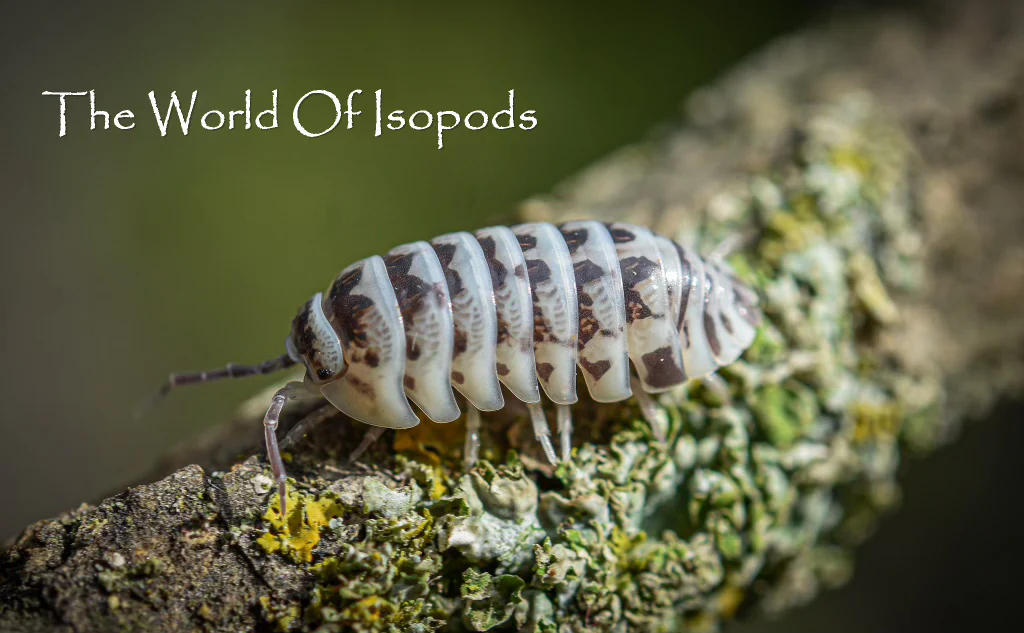
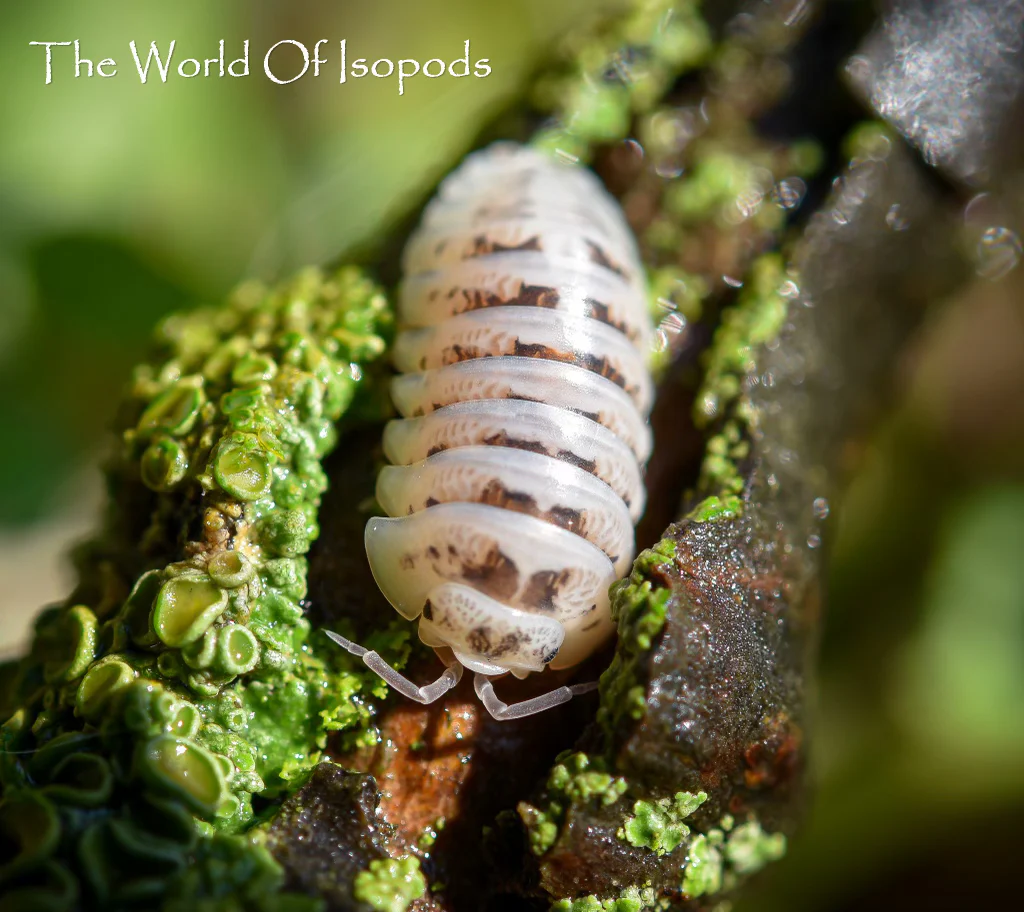
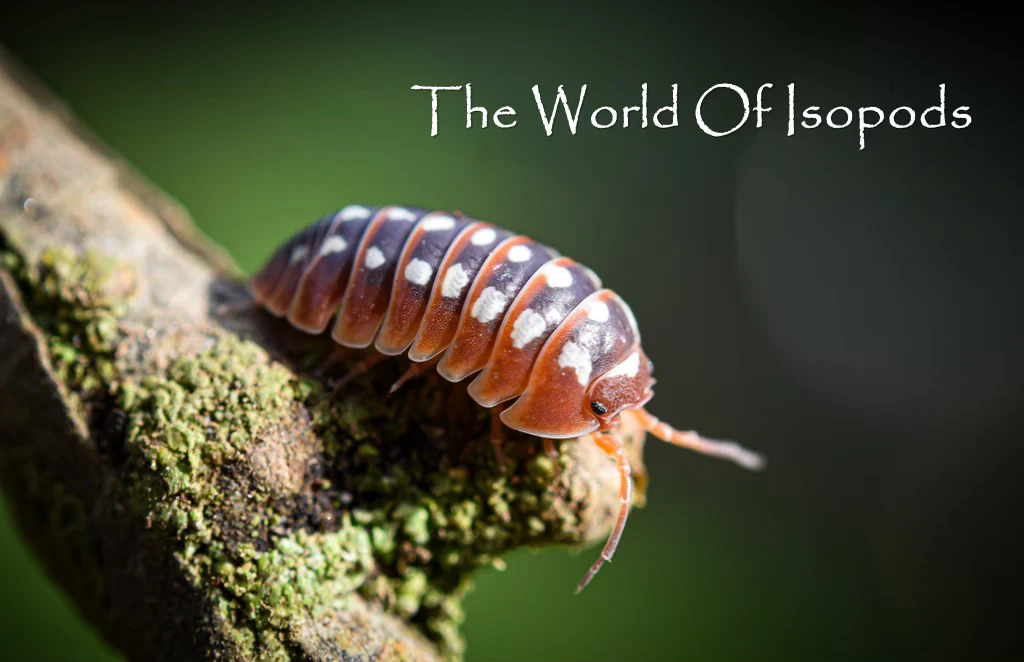
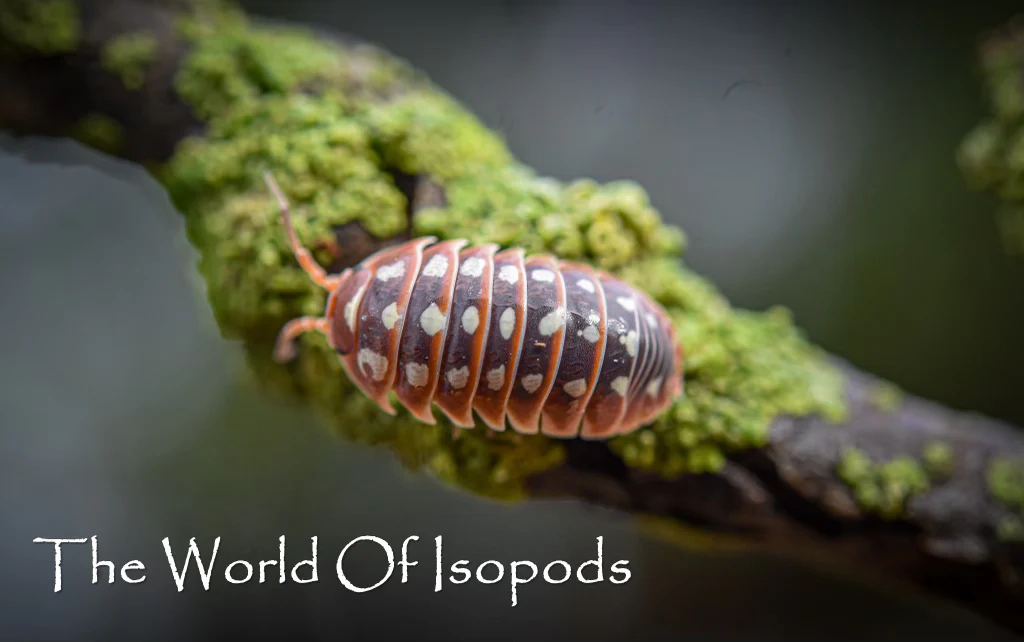
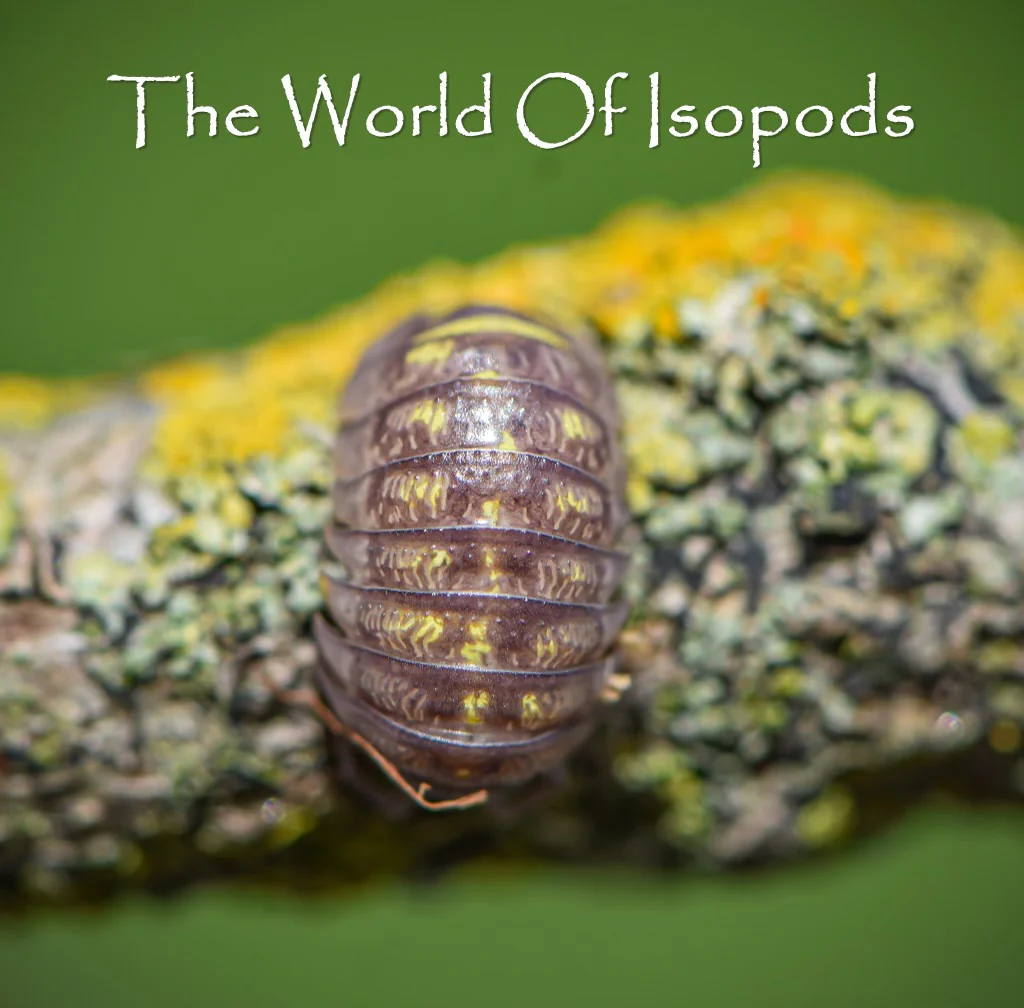
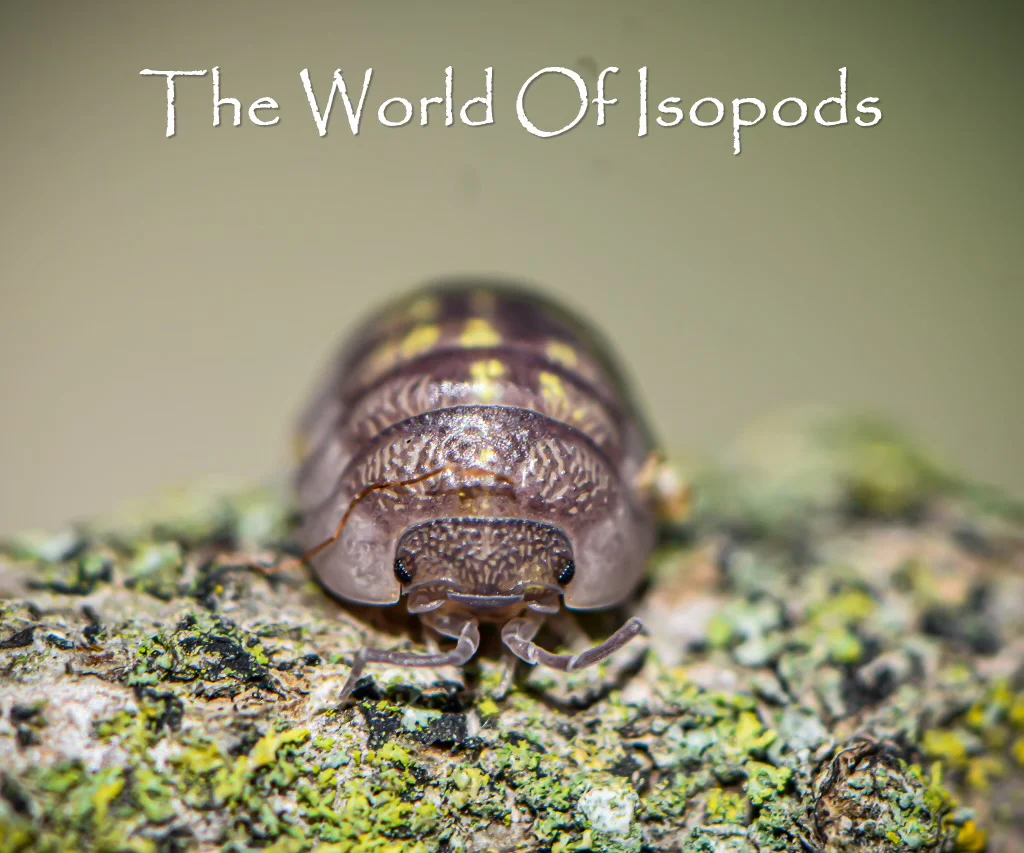
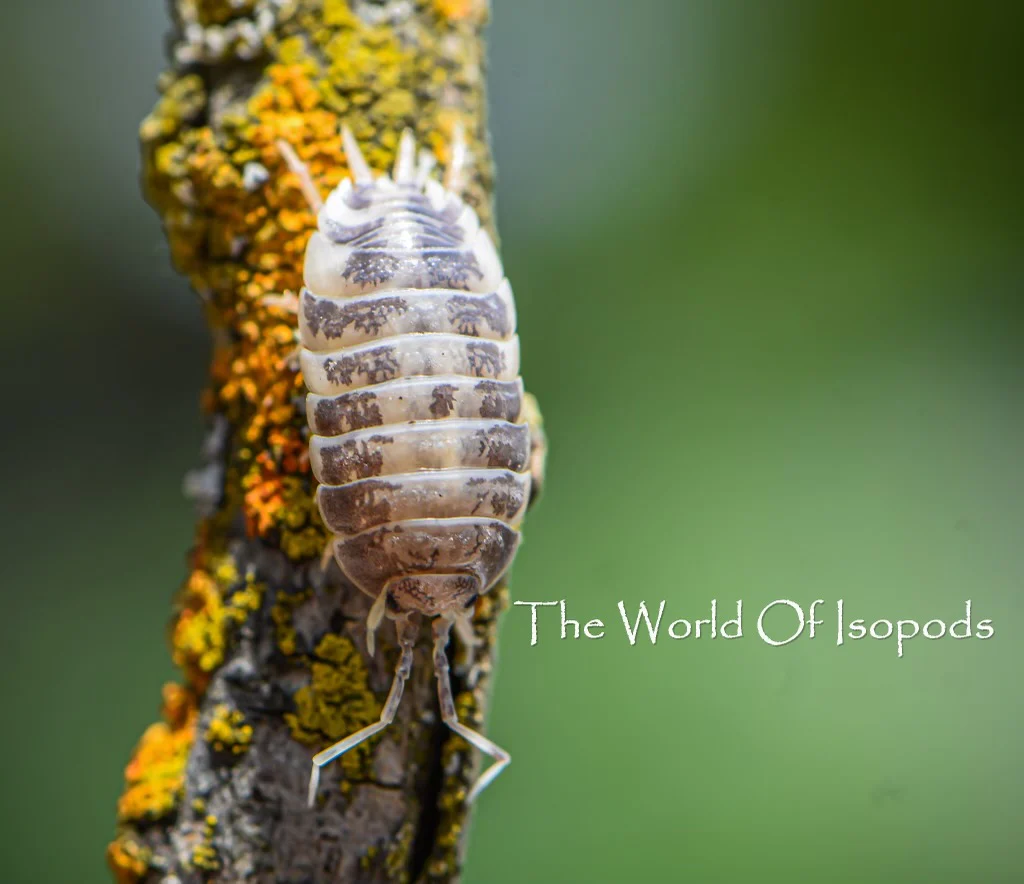
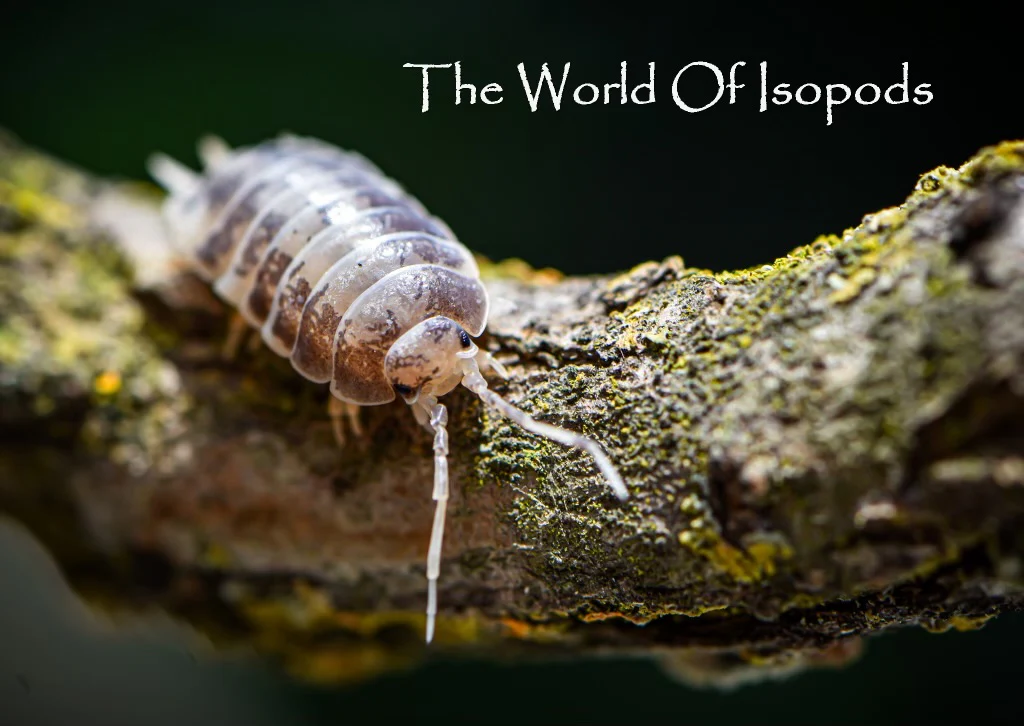
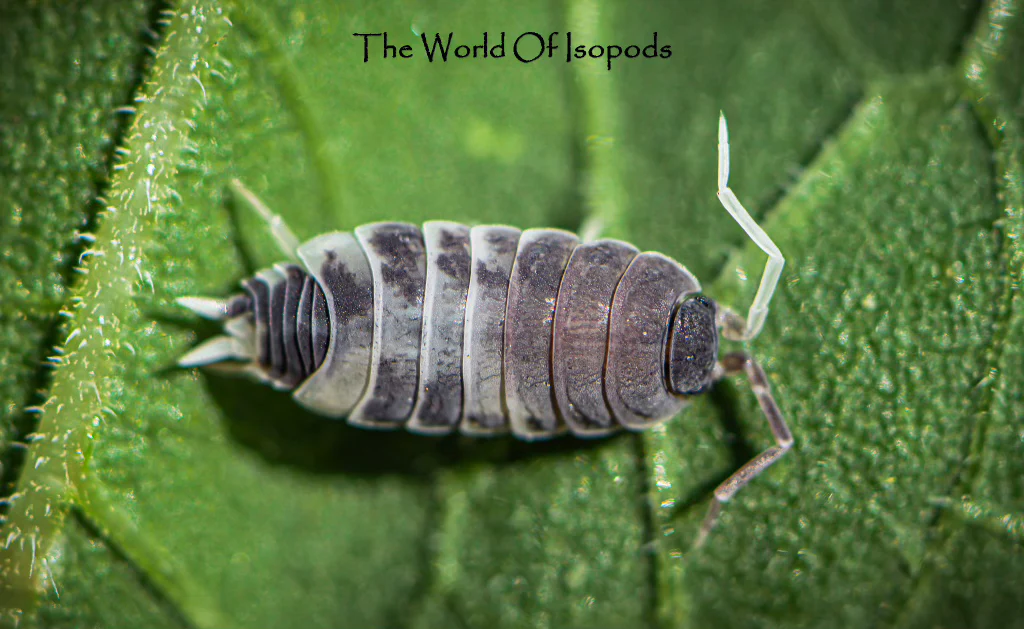
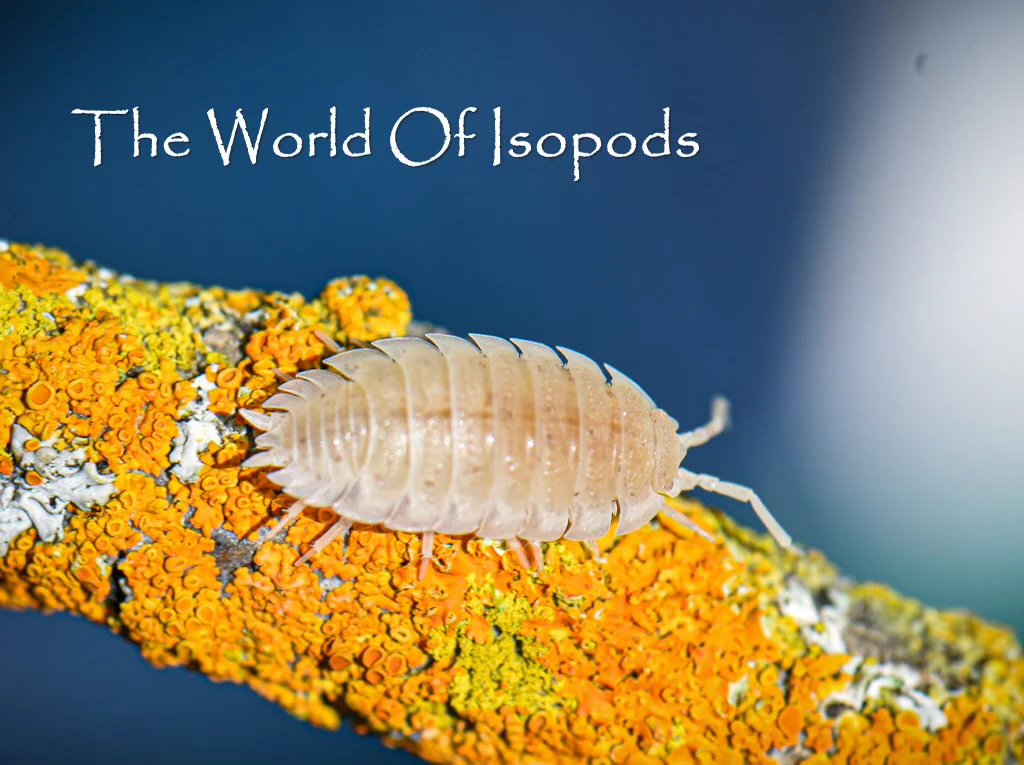
Ardentiella sp. ' Blackhole'
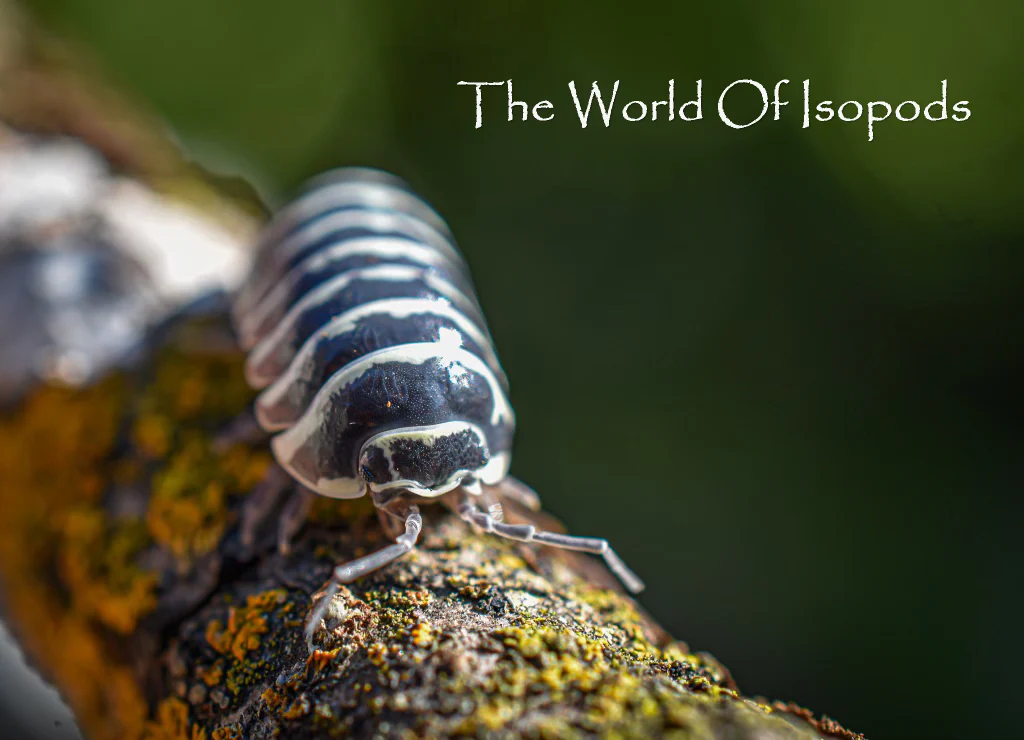
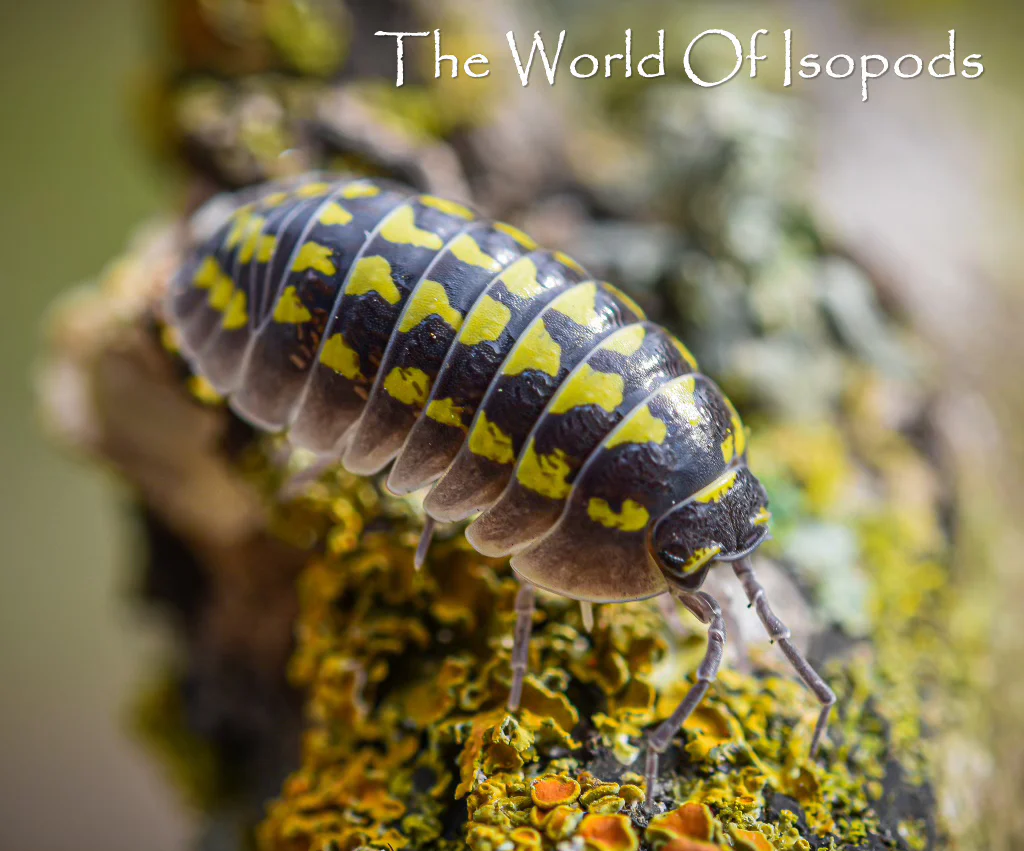
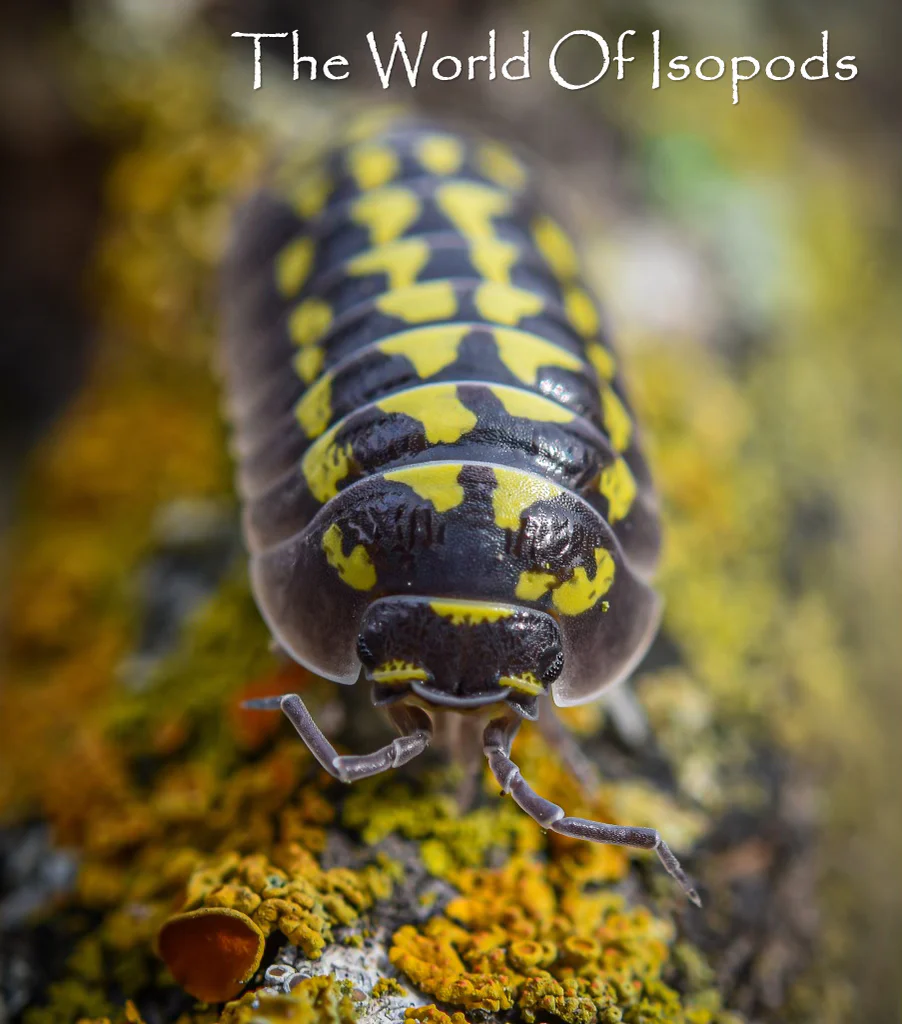
Black Hole Isopods (Merulanella sp. "Black Hole")
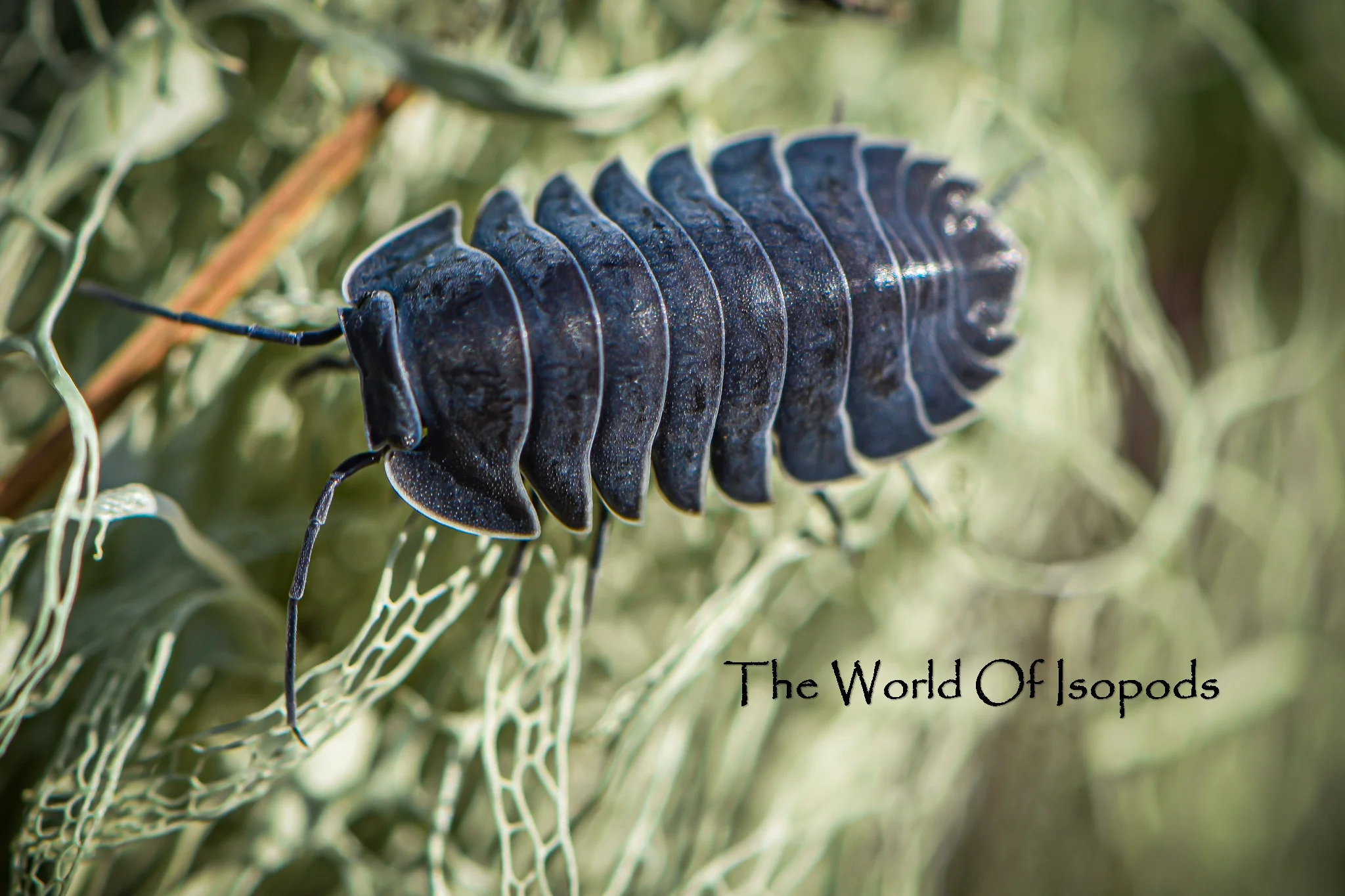
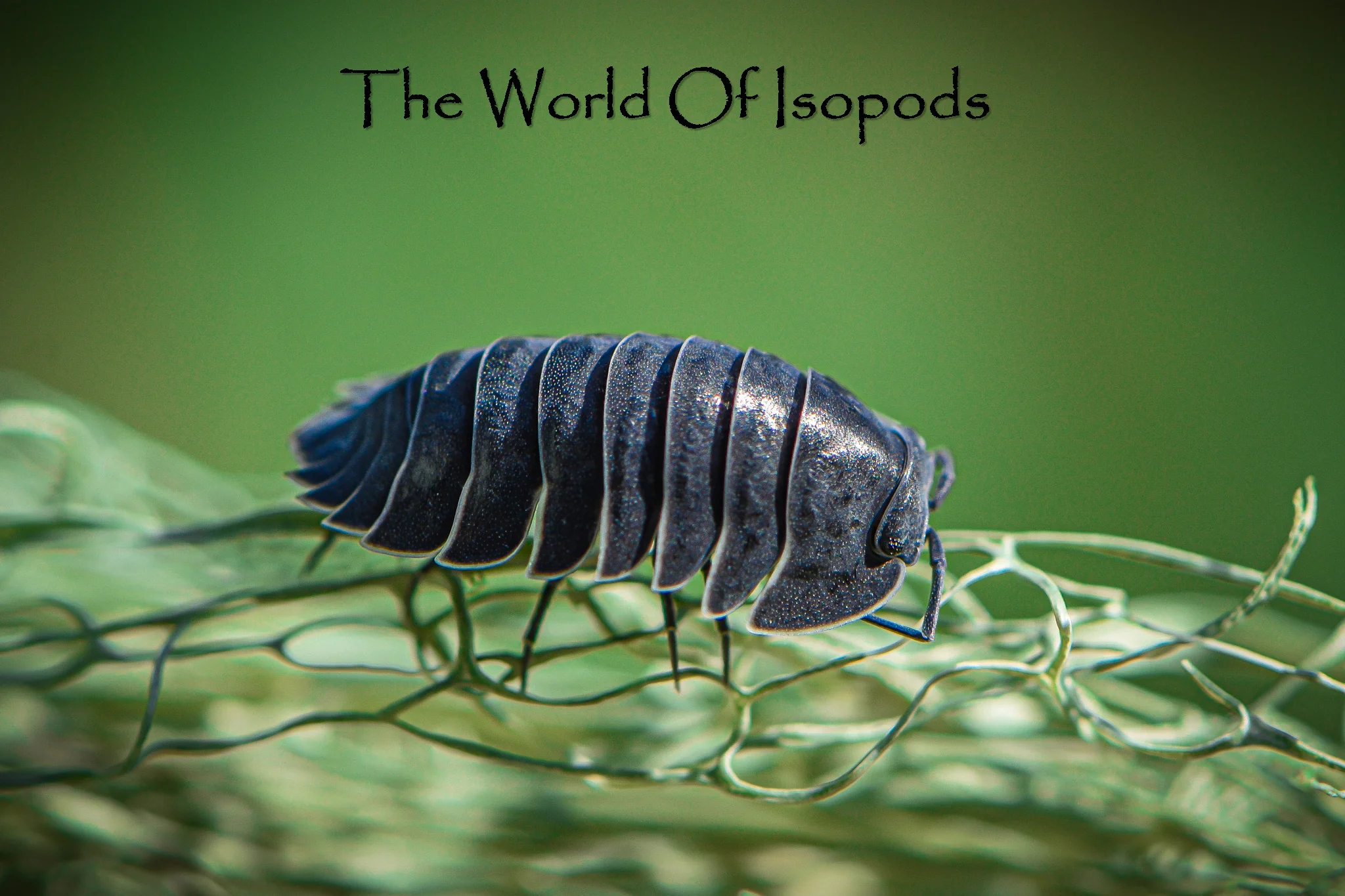
Black Hole Isopods are a rare and dramatic variety of Merulanella, native to the tropical forests of Southeast Asia. With a glossy, jet-black exoskeleton that absorbs light, they create a captivating contrast against leaf litter and mossy substrate. Their subtle iridescence and mysterious appearance make them a favorite among advanced collectors and display keepers alike.
Care Information
• Requires high humidity (75–85%) with consistent moisture and microclimate zones
• Prefers a well-ventilated enclosure with decaying wood, leaf litter, sphagnum moss, and bark
• Feeds on soft decaying plant material, vegetables, protein supplements, and fish flakes
• Thrives in temperatures between 72–80°F (22–27°C)
• Grows to approximately 1.5–1.8 cm as adults
• Benefits from stacked cork and mossy hideouts to encourage natural behaviors
Live Arrival Guaranteed
Note: Avoid extreme fluctuations in humidity and temperature. Stable, tropical conditions are key to successful acclimation and breeding.
(Please Read Shipping Policy)
Description
Black Hole Isopods (Merulanella sp. "Black Hole")
Black Hole Isopods are a rare and dramatic variety of Merulanella, native to the tropical forests of Southeast Asia. With a glossy, jet-black exoskeleton that absorbs light, they create a captivating contrast against leaf litter and mossy substrate. Their subtle iridescence and mysterious appearance make them a favorite among advanced collectors and display keepers alike.
Care Information
• Requires high humidity (75–85%) with consistent moisture and microclimate zones
• Prefers a well-ventilated enclosure with decaying wood, leaf litter, sphagnum moss, and bark
• Feeds on soft decaying plant material, vegetables, protein supplements, and fish flakes
• Thrives in temperatures between 72–80°F (22–27°C)
• Grows to approximately 1.5–1.8 cm as adults
• Benefits from stacked cork and mossy hideouts to encourage natural behaviors
Live Arrival Guaranteed
Note: Avoid extreme fluctuations in humidity and temperature. Stable, tropical conditions are key to successful acclimation and breeding.
(Please Read Shipping Policy)