High White Zebras , Sp. Maculatum
Armadillidium maculatum "High White"
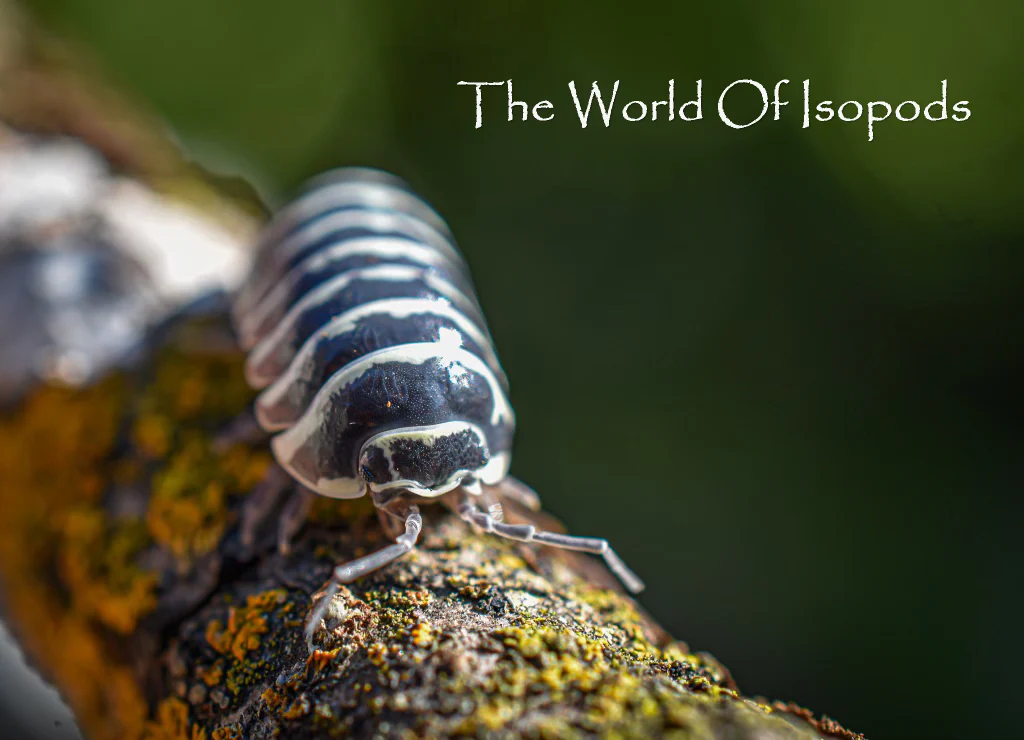
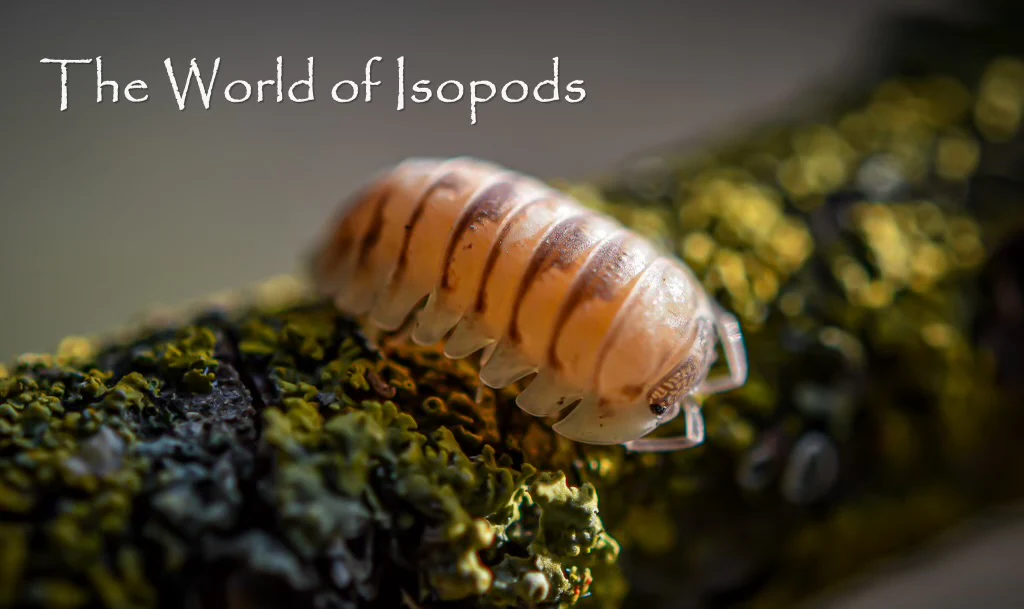
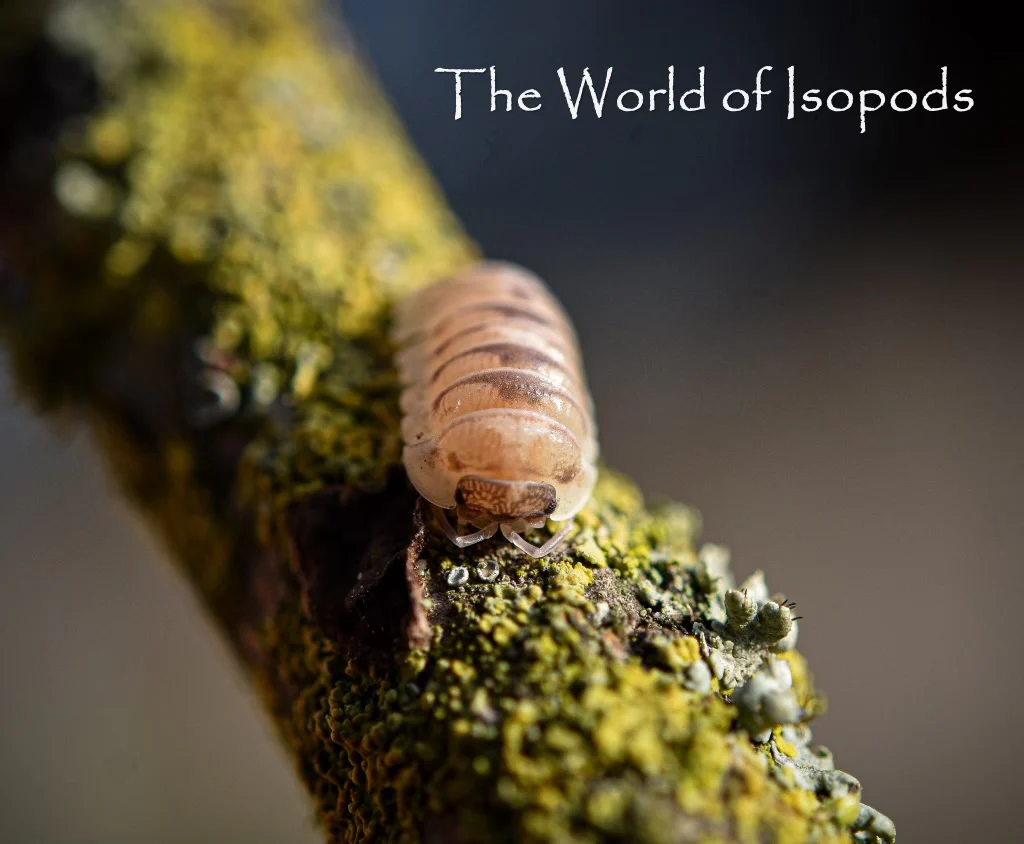
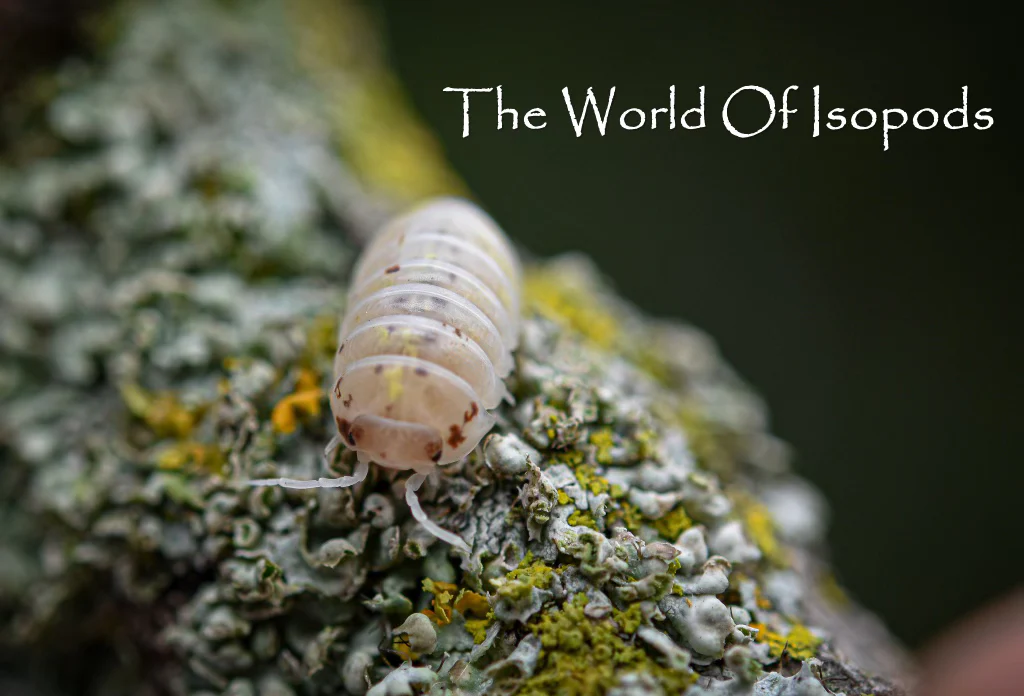
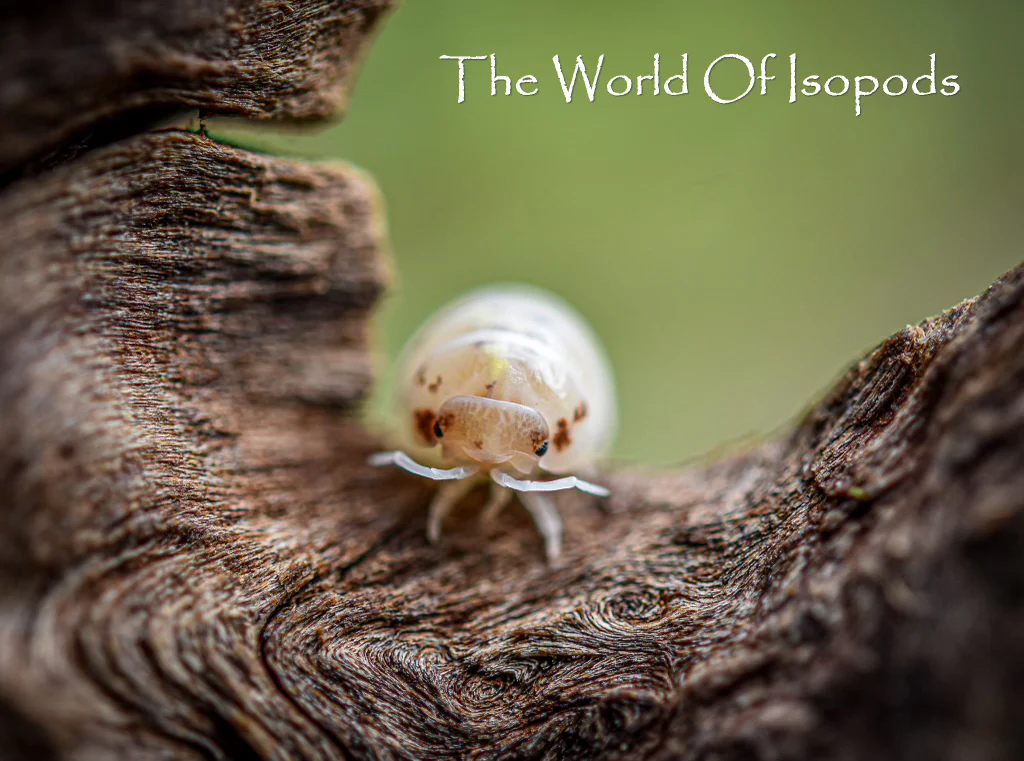
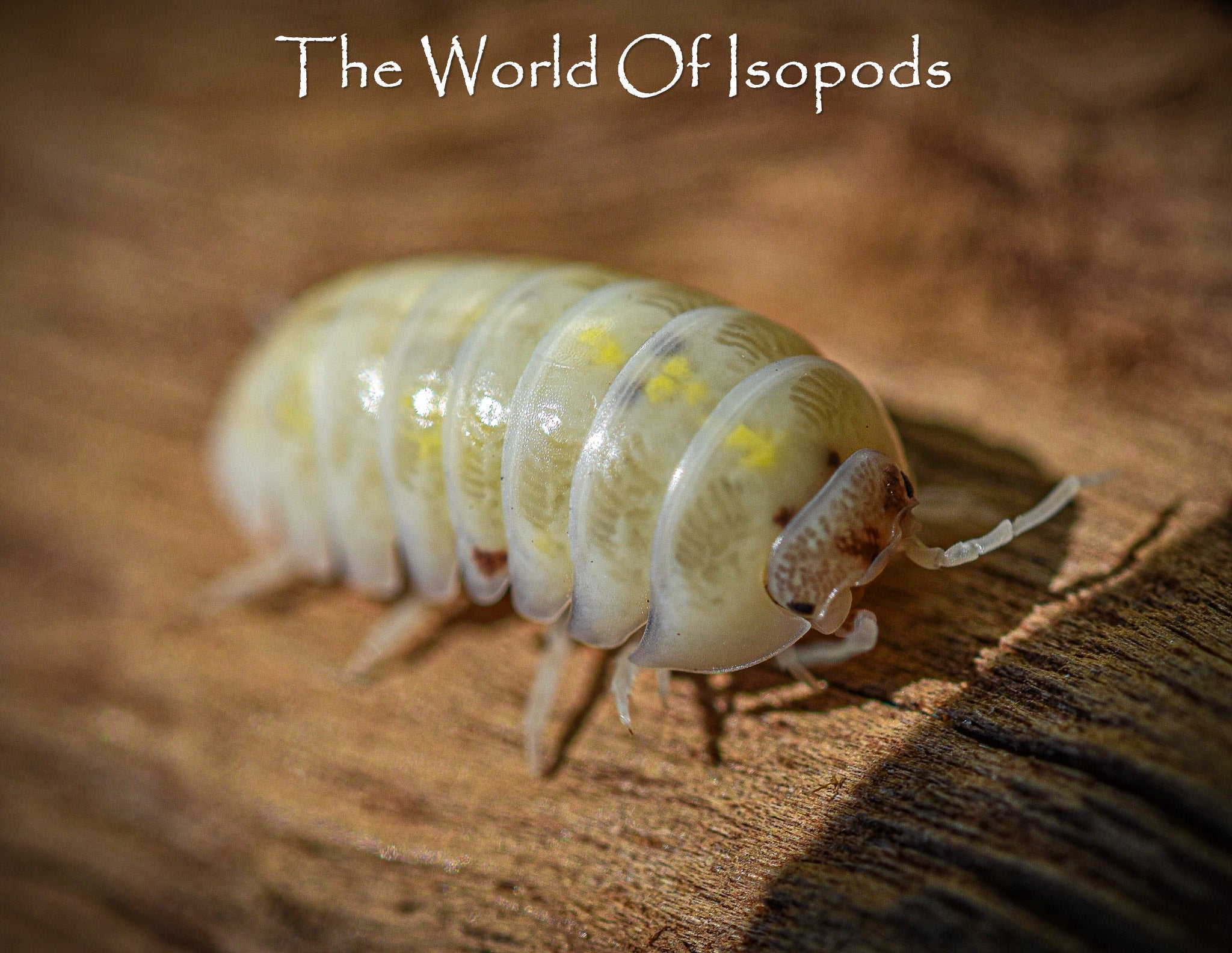
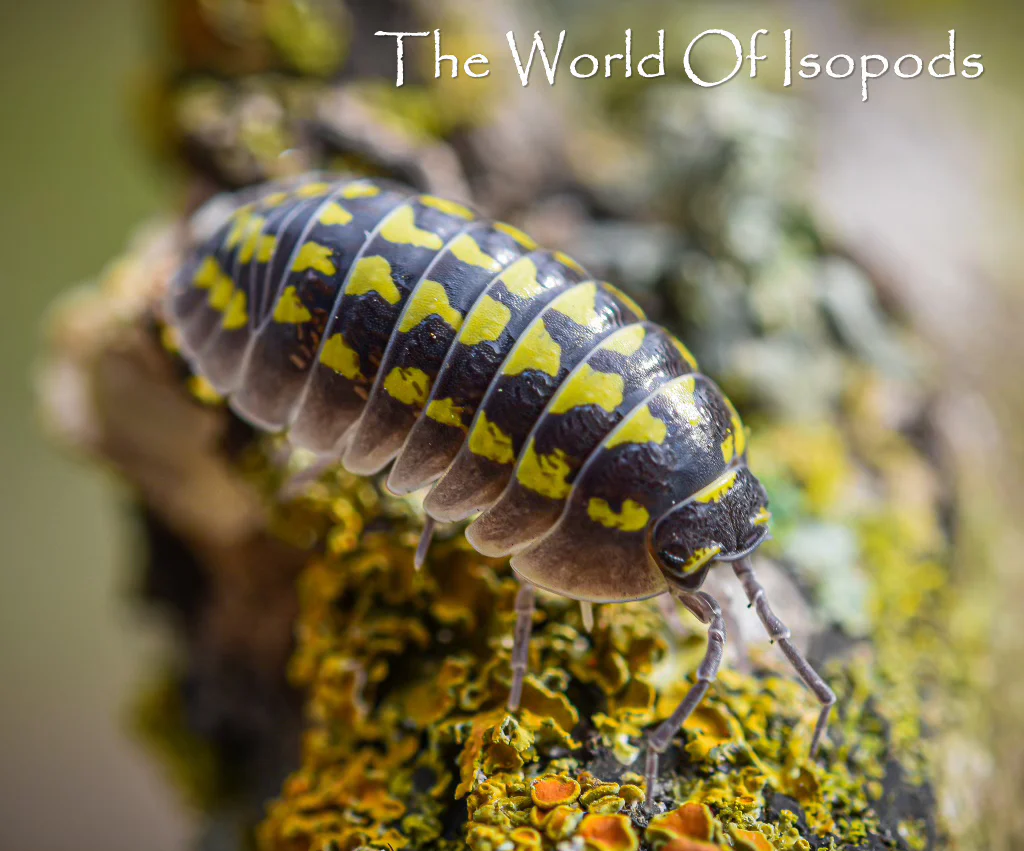
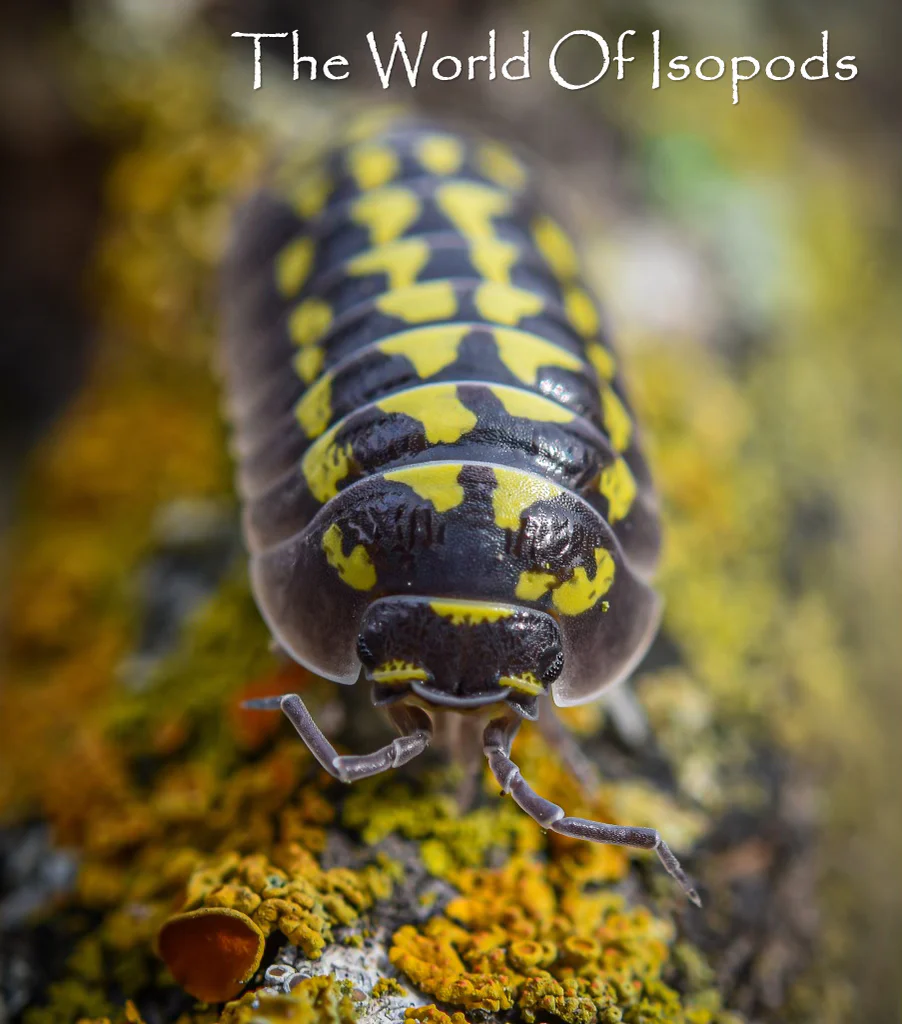
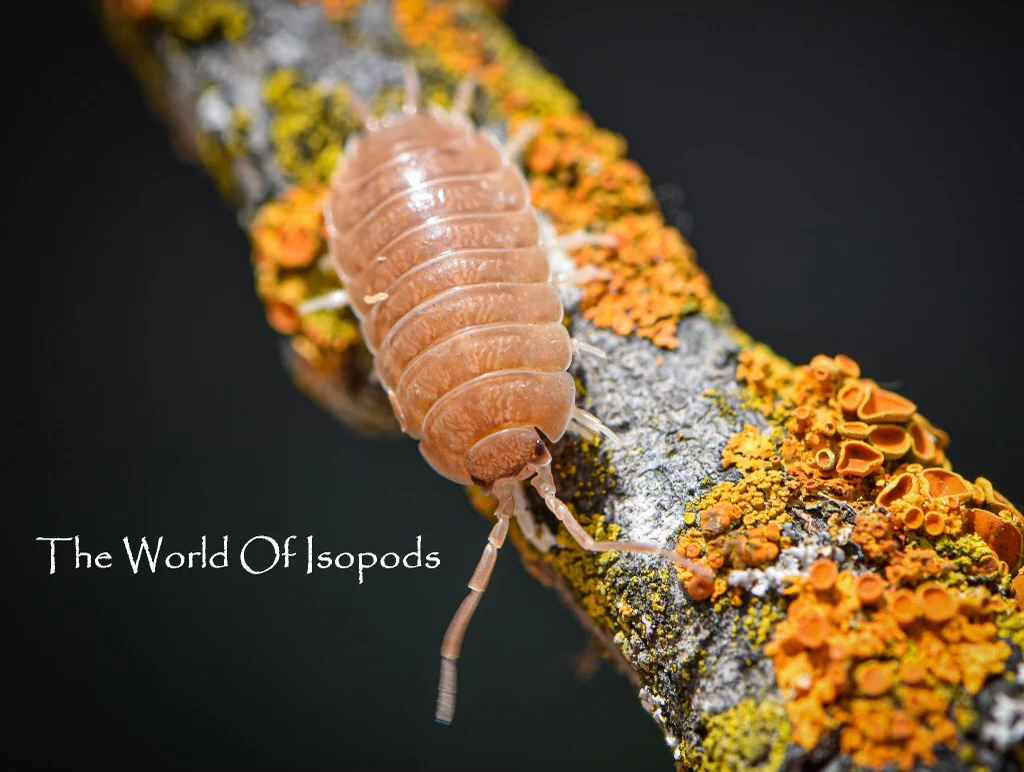
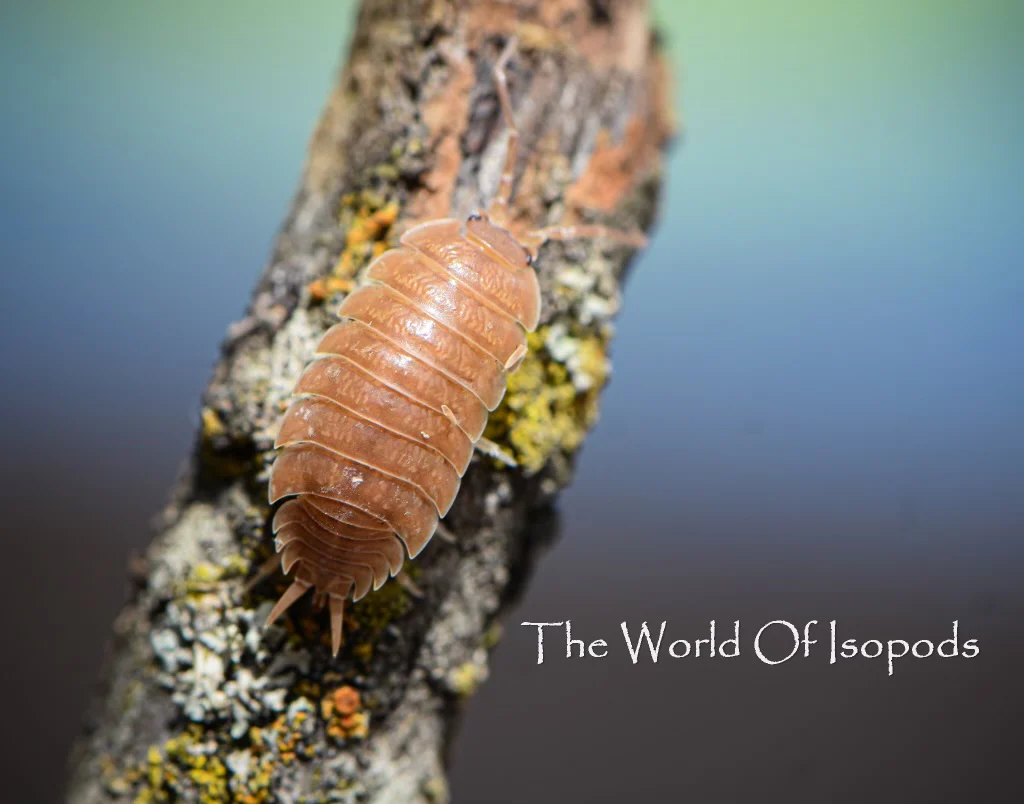
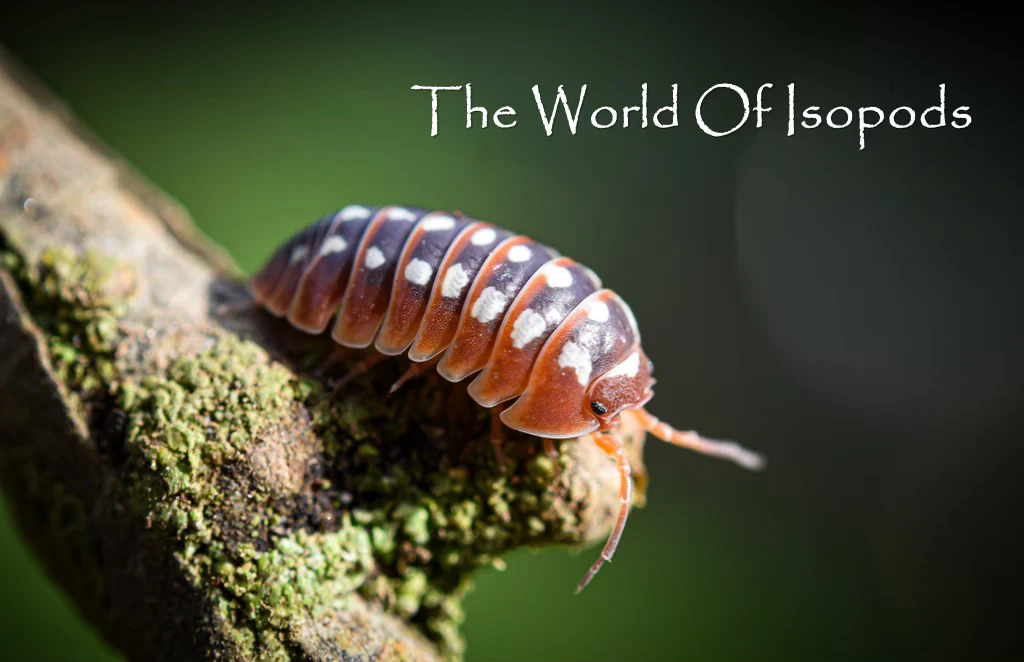
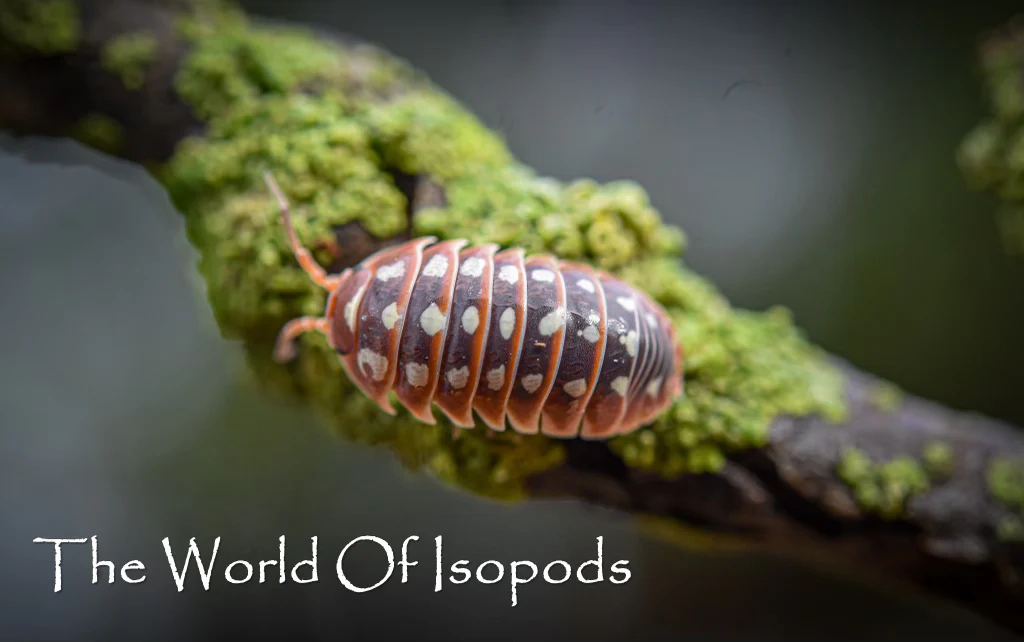
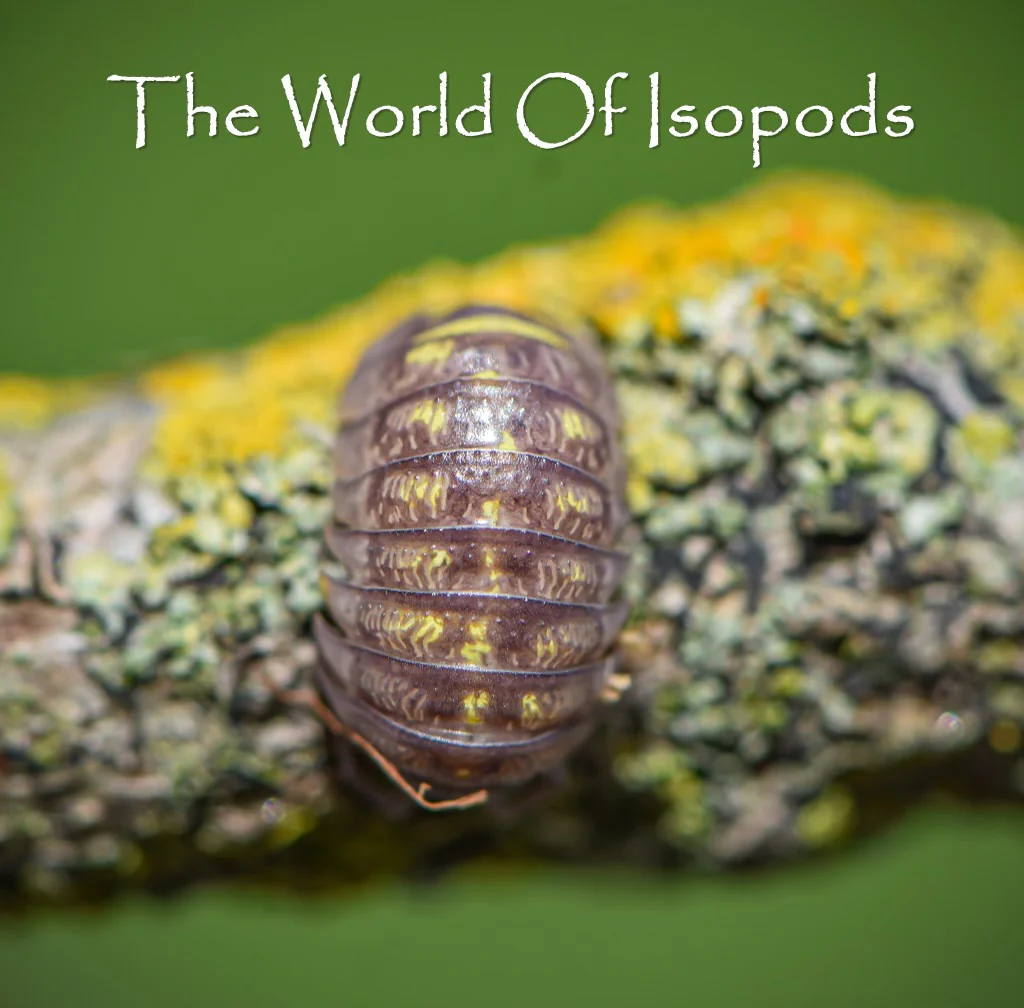
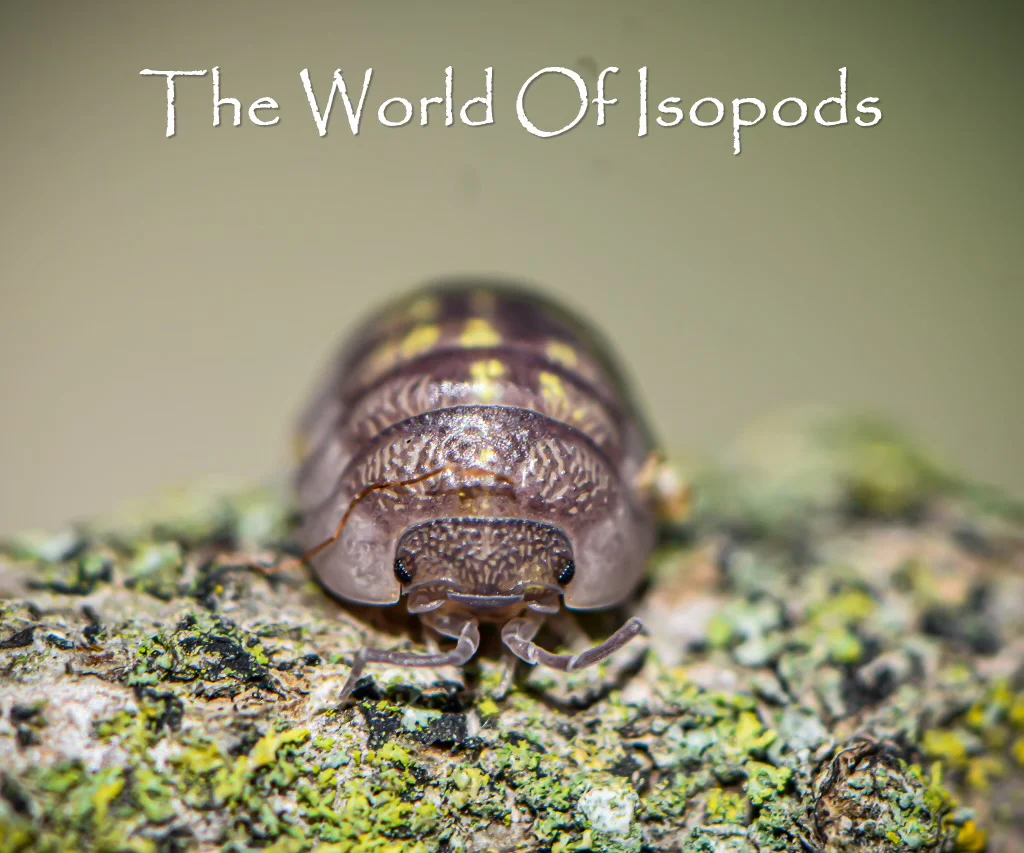
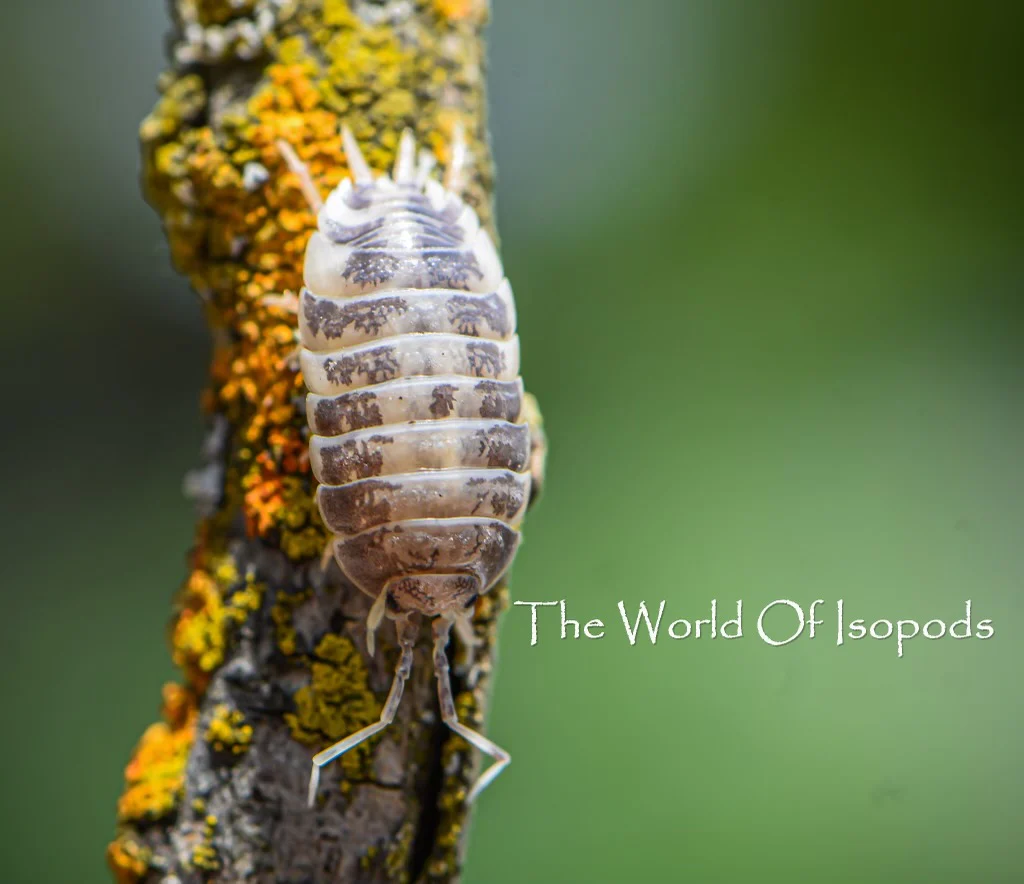
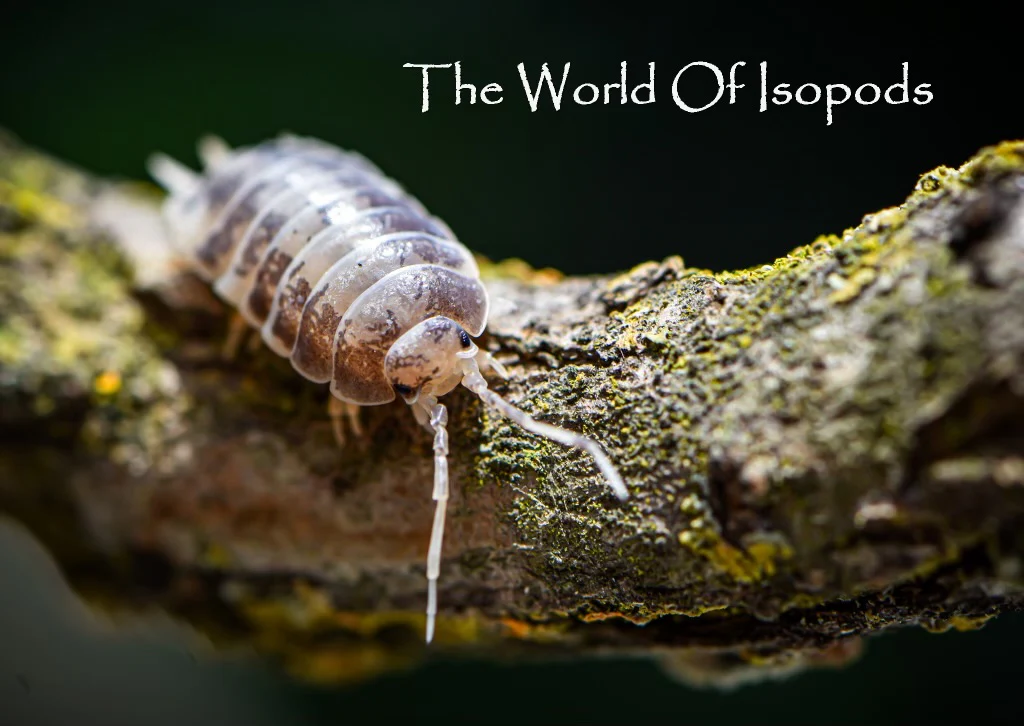
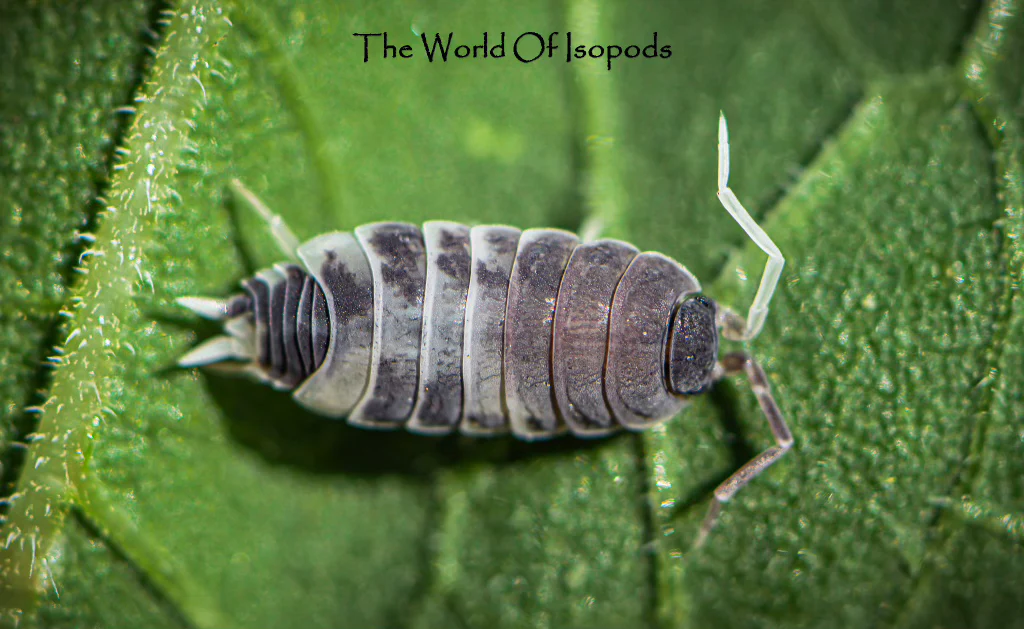
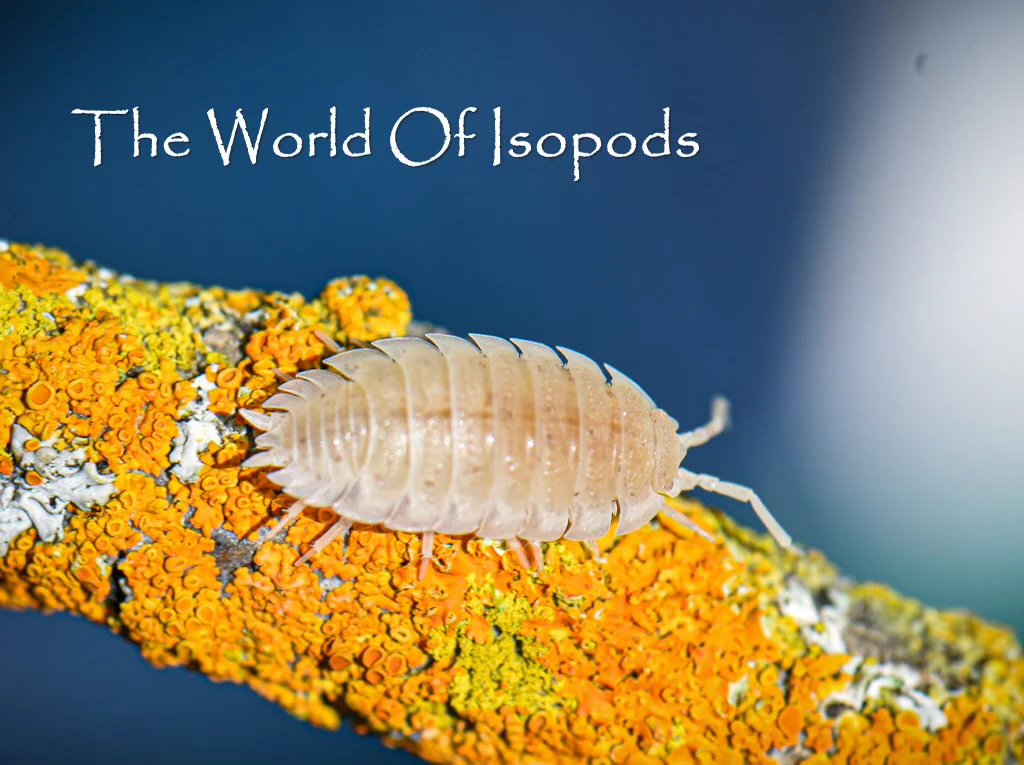
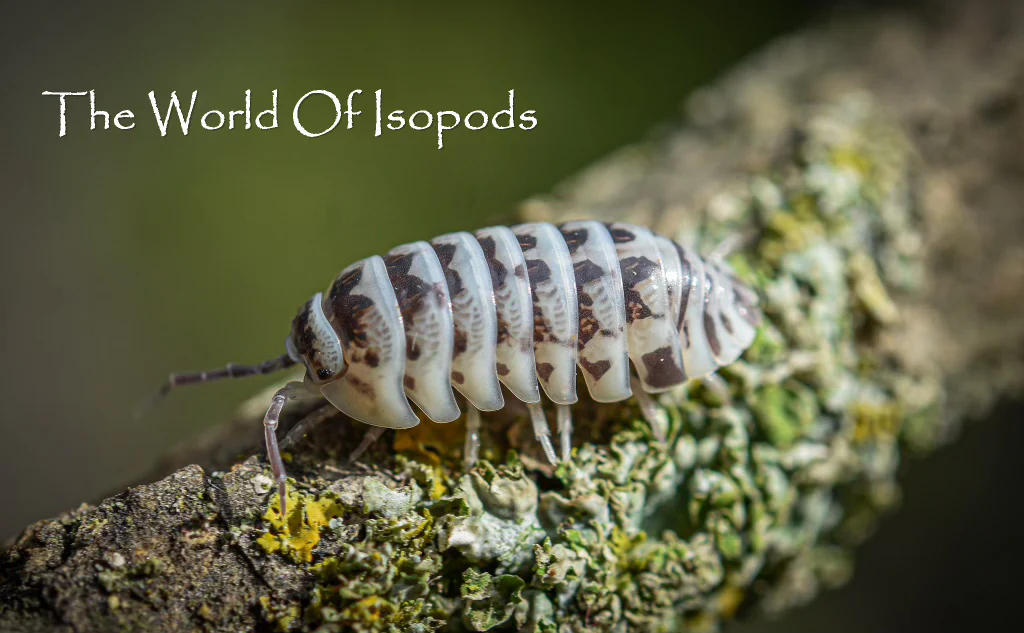
Armadillidium maculatum "High White," known as the High White Zebra Isopod, is a visually appealing morph native to southern France. Distinguished by its predominantly white exoskeleton with bold black markings, this species is highly prized among hobbyists. Hardy and active, they are an excellent choice for both bioactive setups and display enclosures.
Care Information
- Requires moderate humidity with occasional misting
- Should be watered and fed twice a week
- Diet includes yams, root vegetables, fish food, leaf litter, and supplemental protein sources
- Prefers a well-ventilated enclosure with coconut fiber, sphagnum moss, and cork bark for hiding
- Thrives in temperatures between 70-77°F (21-25°C)
- Active, social, and reproduces quickly once established
Live Arrival Guaranteed
Note: Proper ventilation, balanced moisture levels, and a varied diet help ensure a thriving colony.
Description
Armadillidium maculatum "High White"
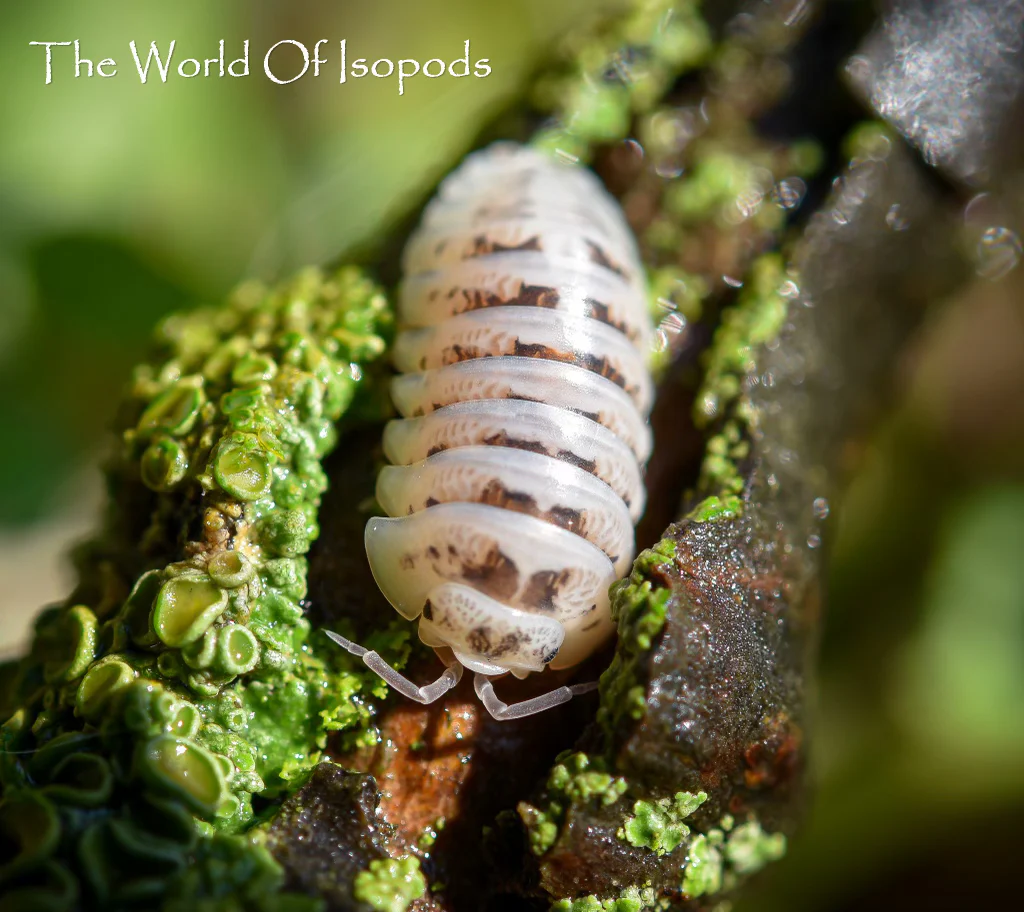
Armadillidium maculatum "High White," known as the High White Zebra Isopod, is a visually appealing morph native to southern France. Distinguished by its predominantly white exoskeleton with bold black markings, this species is highly prized among hobbyists. Hardy and active, they are an excellent choice for both bioactive setups and display enclosures.
Care Information
- Requires moderate humidity with occasional misting
- Should be watered and fed twice a week
- Diet includes yams, root vegetables, fish food, leaf litter, and supplemental protein sources
- Prefers a well-ventilated enclosure with coconut fiber, sphagnum moss, and cork bark for hiding
- Thrives in temperatures between 70-77°F (21-25°C)
- Active, social, and reproduces quickly once established
Live Arrival Guaranteed
Note: Proper ventilation, balanced moisture levels, and a varied diet help ensure a thriving colony.